How much do you really use your eyes in a typical day? Do you really notice what's around you, or do you hurry from meeting to meeting, deep in thought about that next appointment or the to-do list in your back pocket?
Researchers have estimated that your eyes generate more than 10 million bits of visual data every second, but your brain only digests about 40 bits, and by the time you pay conscious attention, you fully process only about 16 bits.
That's 16 out of 10 million. What are the chances that those 16 bits are the
right ones?
Attention is not an accident, it's an act of will. You can improve your visual acuity by choosing to pay more attention to your environment. This will help you heighten your visual sensitivity, and will also give you many moments of unexpected delight.
Here's an exercise that will help you heighten your attention, and improve your awareness of your surroundings:
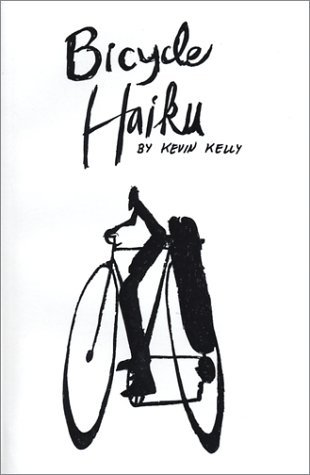
1. Get a digital camera or sketchbook. If you don't have either one, you can use a stack of index cards and a paper clip. The digital camera is my favorite for this: one of the reasons I love digital cameras is that there's no such thing as wasted film -- you can take a thousand pictures for virtually the same price as one.
2. Choose a subject -- something you intend to notice that day. Your subject should be something you will be likely to see several times during the day, but that you rarely pay attention to. It could be windows, or letters of the alphabet, or triangles -- anything that you can search for in your immediate surroundings.
3. For the rest of the day, keep your eye out for your subject. Whenever you see it, take a close look at it and see what you notice. If you have a camera, take a picture of it. If not, draw a quick sketch or make some notes about what you noticed.
You will find that if you choose a new subject each day, you will quickly become far more finely tuned to your surroundings, and you will notice many things that other people simply don't see.
The phenomenon of not noticing your surroundings has been called "plant blindness" -- scientists think that the brain is finely tuned to things that move, that are brightly colored or otherwise conspicuous, and to ignore everything else. In other words, your brain is alert to notice anything that might pose a threat. This is definitely helpful when crossing the street, but maybe less so in many other situations.
There's other research that says that you pay more attention to
everything in your environment when you are actively searching for something (Think about the last time you lost a contact lens or set of keys). So by searching for circles, or windows, you'll improve your ability to notice everything else.
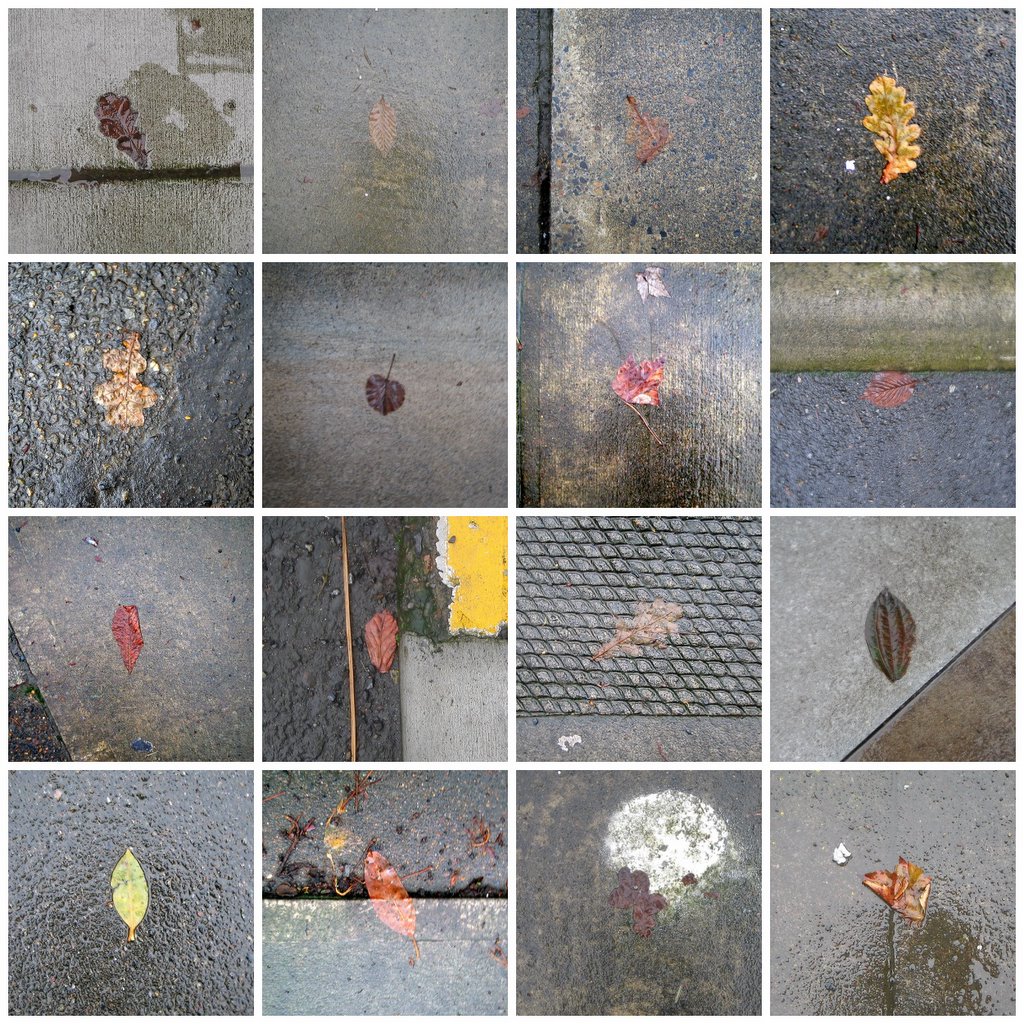
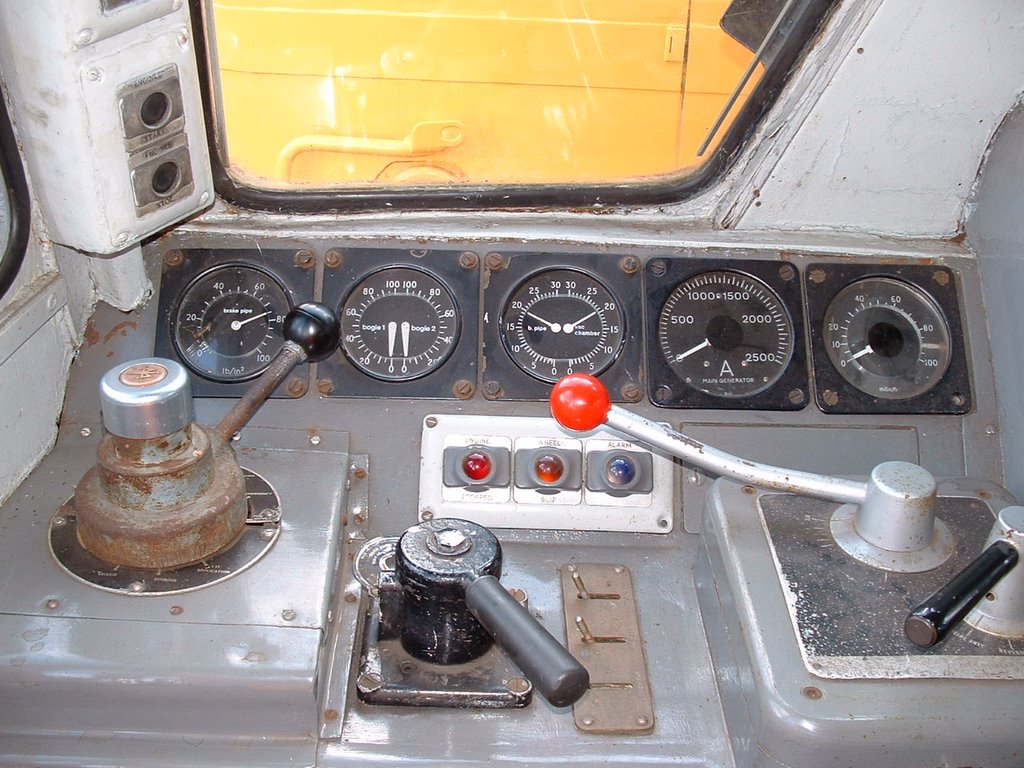
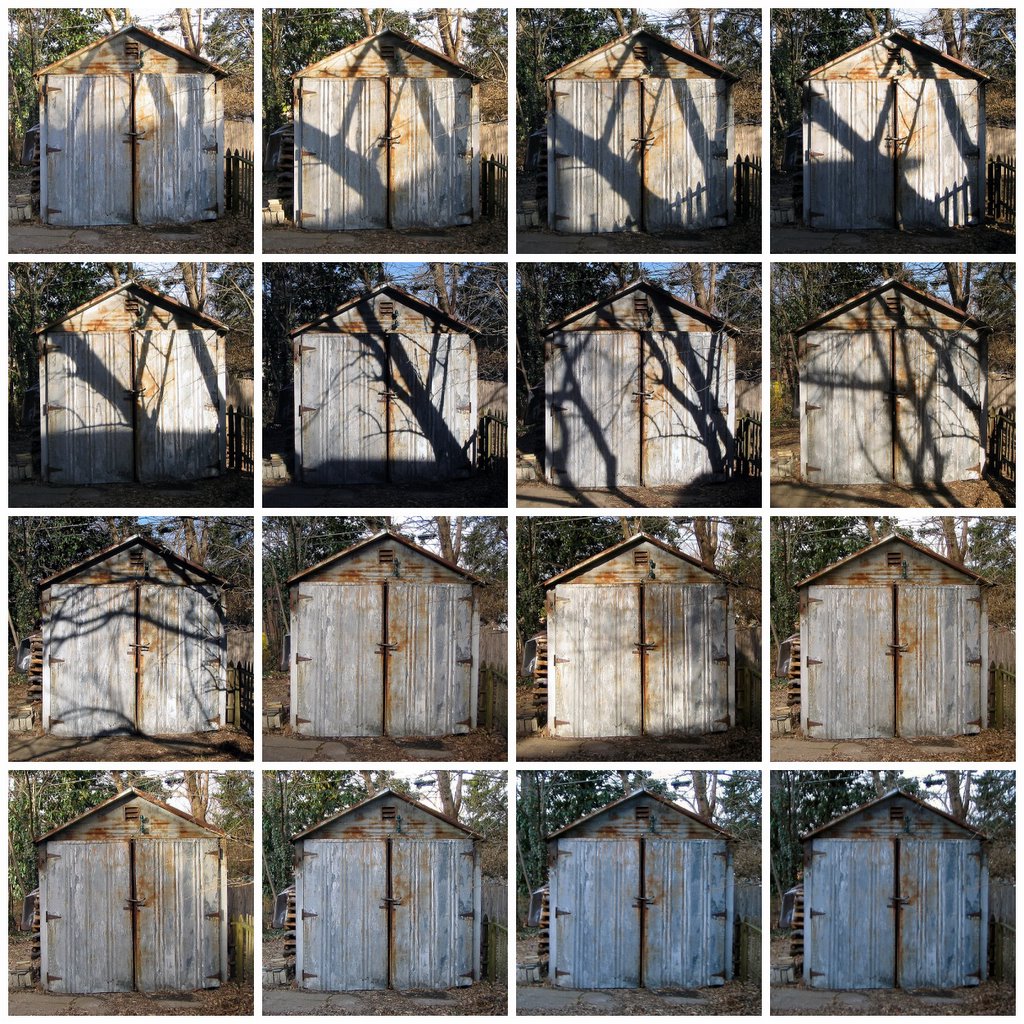
Practice noticing the things that surround you. You will improve your visual thinking skills, and may find an unexpected treasure or two. Here are some of the treasures I've found:
-
St. Louis water meters-
A day in the life of a shed-
LeavesVisual thinking is the practice of using pictures to enhance your ability to solve problems, think about complex issues and communicate effectively. Are you ready to work on your visual thinking skills? You don't have to be an artist.For more about visual thinking,
visit visual thinking school or
join our visual thinking group on Flickr.
Keep in touch! Sign up to get updates and occasional emails from me.
 It's getting harder and harder to break through and get your message seen, heard, or read. This is one of the best ways I know to ensure that people are exposed to your message. I assume you'll need to reach women too, so you'll have to also apply the principle to the backs of stall doors. It may seem silly but it works!